Here's how Instagram grid reordering works
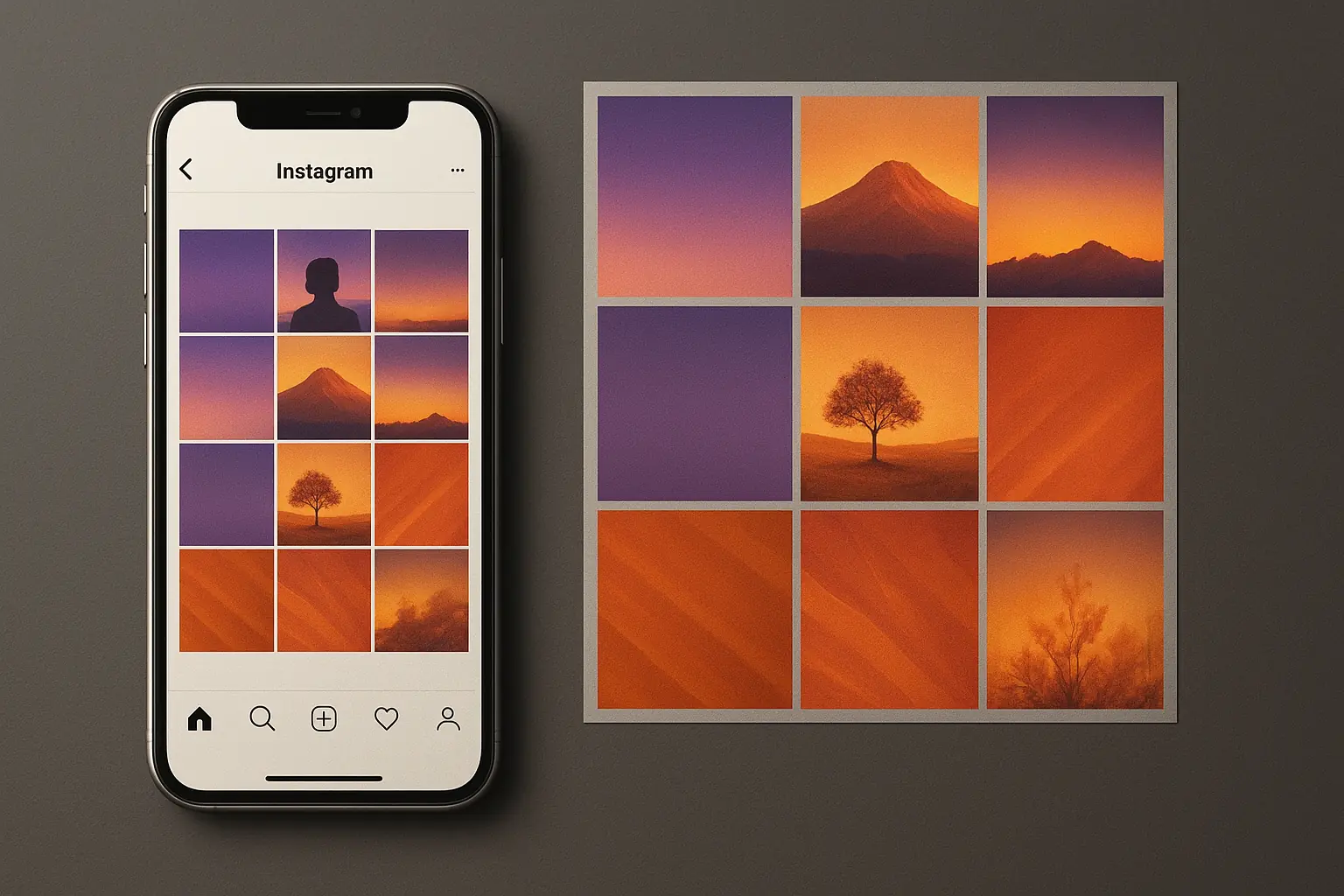
Open your profile right now and count how many posts have shifted position since last week without you touching a single one of them. For most active users, that number isn't zero. Instagram's grid - long assumed to be a fixed, chronological archive of everything you've shared - has quietly become something far more dynamic, and most people never got a memo explaining why.
This change matters because your grid is often the first thing a stranger sees before deciding whether to follow you. A jumbled or unpredictable layout can undercut months of careful content planning. Creators who spend real budget and time building an audience, sometimes pairing organic posting with tools like instagram views boost to get new content in front of more eyes, need their grid to reinforce that effort rather than confuse it. When the visual order of a profile shifts unexpectedly, it can dilute the impression a brand or creator worked hard to build.
What follows is a plain-language breakdown of what's actually happening beneath the surface: the mechanics driving these shifts, the most recent changes to the system, what's likely coming as the feature matures, and concrete steps to keep your profile looking exactly the way you intend.
What Is Instagram Grid Reordering?
Instagram grid reordering refers to the way posts on a profile can appear in a different visual sequence than the order in which they were originally published. In simple terms, it's the gap between "when you posted something" and "where it currently sits on your grid." For years, users assumed these two things were identical - newest post top-left, oldest post buried at the bottom. That assumption no longer holds.
The distinction matters because reordering doesn't delete, hide, or archive anything. Your content remains fully intact and accessible. What changes is purely positional: a photo from six months ago might now sit above one from last week, even though nothing was removed from your account. This is different from archiving, where a post disappears from public view entirely, and different from deleting, which erases the post permanently.
- Grid reordering changes visual placement without removing or hiding any post.
- It can happen automatically, triggered by platform logic, or manually, through actions like pinning.
- It affects the first impression a new visitor forms when landing on a profile.
- It does not alter caption text, comments, or likes attached to a post.
Picture a small business account that posted a product photo in January and a customer testimonial in March. If the testimonial receives a burst of engagement or gets pinned, it can now appear above the January post, even though the January post is technically older. Nothing was deleted - the order simply reflects new priorities, whether set by the algorithm or by the account owner.
How Instagram Grid Reordering Actually Works Behind the Scenes
Once you accept that grid position and publish date are no longer locked together, the natural next question is: what actually decides the new order? The answer involves a mix of user actions and platform-driven signals working together.
The Role of Edits and Re-uploads
Editing a post - changing a caption, swapping a cover image, or adjusting tagged accounts - can sometimes cause it to register as "updated" within Instagram's internal system. In some cases, this nudges the post's position, even though the original upload date hasn't changed. Re-uploading a photo as a fresh post, rather than editing an existing one, has a more predictable effect: it moves to the top, just as any new post would.
Algorithmic Factors Influencing Placement
Engagement plays a role in how prominently certain content is treated. A post that suddenly attracts a wave of comments, shares, or saves may be treated differently than one that received attention only in the days after posting. Content type matters too - Reels, standard photos, and carousel posts don't always behave identically within grid logic, since Instagram has steadily expanded how video content integrates into the profile view.
Manual vs. Automatic Reordering
Not every shift is out of your hands. Pinning posts is the clearest example of manual control: you choose up to three posts to lock at the top of your grid, regardless of when they were published. Everything else - the automatic shifts caused by edits, engagement spikes, or platform updates - falls into a category users can observe but not directly command. Recognizing which category a change belongs to is the first step toward managing your profile with intention rather than confusion.
| Action | Effect on Grid | User Control Level |
|---|---|---|
| Pinning a post | Moves it to a fixed top position | Full manual control |
| Editing caption or cover | May shift position slightly | Indirect, unpredictable |
| Sudden engagement spike | Can influence prominence | No direct control |
| Re-uploading as new post | Moves to the top like any fresh post | Full manual control |
Instagram Grid Reordering: Latest Updates and Changes
The way this feature behaves has continued to shift as Instagram tests new layout logic across different account types. Anyone tracking instagram grid reordering latest developments will notice a few consistent threads emerging over recent update cycles.
- Pinning limits and behavior have been adjusted, giving creators slightly more flexibility in how prominent posts are displayed.
- Reels have been pulled more tightly into standard grid logic, rather than existing as a separate tab experience.
- Some layout tests have rolled out to specific account segments before wider availability, meaning not every user sees identical behavior at the same time.
- Creators managing business or professional profiles have reported more visible reordering activity compared to personal accounts.
None of this suggests a single, permanent set of rules. Instead, it points to a platform actively experimenting with how static a profile grid should be. For anyone building a visual brand on Instagram, staying aware of these shifts is far more useful than assuming the grid will behave the same way it did a year ago.
Instagram Grid Reordering in 2026: What to Expect
Looking toward instagram grid reordering 2026, the direction of travel is fairly clear even without predicting exact features. Instagram has shown a pattern of giving users more granular control over presentation - custom pinning, tighter integration between formats, and layout tools that treat the grid less like a strict timeline and more like a curated portfolio.
It's reasonable to expect continued expansion of pinning capabilities, potentially with more than three customizable slots, and deeper blending between photo, carousel, and video content within the same visual grid. Creators who currently plan their feeds around a strict chronological aesthetic may need to shift toward a more flexible mindset, treating the grid as something they actively curate rather than something that simply accumulates over time.
| Feature | Current Status | Expected Direction |
|---|---|---|
| Pinned post limit | Up to three posts | Potential expansion of customizable slots |
| Reels and grid integration | Increasingly unified | Further blending of formats within one layout |
| Manual reordering tools | Limited to pinning | Possible broader manual arrangement options |
How to Control and Optimize Your Instagram Grid Layout
Reacting to unwanted shifts is frustrating; planning around them is far more productive. There are concrete steps any user can take to keep their grid intentional rather than accidental.
Step-by-Step: Pinning Posts to Control Order
- Open the post you want to feature prominently on your profile.
- Tap the three-dot menu in the top right corner of the post.
- Select the option to pin the post to your profile.
- Repeat for up to two additional posts, since three is the current pinning limit.
- Rearrange pinned posts at any time by unpinning and re-pinning in your preferred order.
Planning Content With Reordering in Mind
Because automatic shifts can happen without warning, the most reliable strategy is designing a grid that still looks intentional even after minor changes. Grouping content by color palette, theme, or format rather than strict chronology reduces the visual damage caused by a single post moving position. Reviewing the grid weekly, rather than assuming it stays static, helps catch unexpected changes before they affect too many visitors' first impressions.
- Use grid-planning apps to preview layout changes before posting.
- Group content by visual theme rather than relying purely on posting date for cohesion.
- Check pinned posts periodically to confirm they still reflect current priorities.
- Avoid excessive caption edits on older posts unless a shift in position is acceptable.
Common Mistakes and Misconceptions About Grid Reordering
Confusion around this feature often stems from conflating grid position with reach or algorithmic favor. The two are related but not identical, and misunderstanding the difference leads to unnecessary anxiety or wasted effort.
- Myth: Deleting a post changes the order of remaining posts in a meaningful way. Reality: deletion simply removes that post; it doesn't retroactively reorganize everything else.
- Myth: Grid reordering means the algorithm is punishing or rewarding an account. Reality: it's a display feature, not a direct measure of reach or performance.
- Myth: Editing a caption always moves a post to the top. Reality: minor edits sometimes cause slight shifts, but they rarely behave like a brand-new upload.
- Myth: Reordering is identical across every account type. Reality: business, creator, and personal profiles have shown differing behavior in various testing phases.
Overcorrecting for these misconceptions carries its own risk. Editing old posts repeatedly just to manipulate their position can come across as inconsistent to followers who notice the changes, and it rarely produces the predictable outcome creators are hoping for.
Questions and Answers
Does grid reordering change how many people see my posts?
No. Grid reordering affects the visual arrangement of your profile, not the reach or distribution of individual posts. Reach is governed by separate engagement and discovery mechanics unrelated to how posts are visually stacked on your grid.
Can I completely disable automatic reordering?
There is no full opt-out switch for automatic shifts. Pinning remains the main tool for manual control, allowing you to lock specific posts at the top regardless of other changes happening elsewhere on the grid.
Why did an old post suddenly move to the top of my grid?
This usually happens after an edit, a re-upload, or a pinning action. If you didn't pin anything or edit the post recently, it's likely tied to engagement activity or a platform-level adjustment rather than something you did directly.
Do Reels get reordered the same way as photo posts?
Reels and photos are increasingly treated within the same grid logic, but video content has historically had its own display rules. As integration deepens, the behavior of both formats continues to move closer together, though minor differences can still appear.
Is grid reordering different for business accounts compared to personal accounts?
Some testing phases have shown more visible reordering activity on business and creator profiles than on personal accounts. This isn't universal, but it's worth monitoring if you manage a professional profile and notice more frequent shifts.
How can I tell if my grid has actually been reordered?
Compare a recent screenshot of your profile to an older one, or simply scroll through periodically and note the position of key posts. Sudden, unexplained jumps in older content are the clearest sign that reordering has taken place.